EuroDaily News and Guidance, Every Day

Related Articles
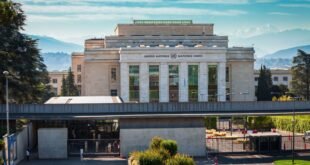
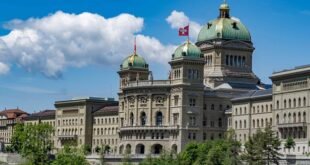
Several thousand people demonstrated in Geneva on Saturday 14 November against austerity measures in the canton's draft budget for 2027, in the largest mobilisation yet against the proposed cuts. The Geneva austerity protest November 2026 brought together trade unions, associations and left-wing parties in a broad coalition, and it ended with a symphony orchestra performance in the street, a deliberate statement that culture should not be treated as a budgetary adjustment.
The protest was prompted by the draft Geneva cantonal budget for 2027, which provides for austerity measures totalling CHF 247.7 million. The plan includes across-the-board subsidy cuts of 4% for associations, and 5% reductions in the service contracts for the Geneva University Hospitals and the home care organisation. The Grand Council, Geneva's cantonal parliament, will debate the proposal in mid-December.
This article explains what happened on Saturday, what the budget proposes, who organised the protest, and what comes next.
Thousands March Through Geneva
Several thousand people demonstrated in Geneva on Saturday against the budget cuts, after a broad coalition of trade unions, associations and left-wing parties had called for the peaceful protest. The march proceeded from the Les Charmilles neighbourhood, across the Pont du Mont-Blanc bridge, to the headquarters of the Hospice général social welfare authority in the Rive district.
Estimates of the crowd varied, as they usually do. Around 3,500 people took part in the rally, according to a statement issued by Geneva police. The organisers put the number of participants at between 6,000 and 7,000, while a count by the Keystone-SDA news agency put the figure at just under 5,000. Whatever the precise number, it was the largest mobilisation yet against the proposed cuts, according to World Radio Switzerland, and there were no incidents.
Mireille Senn from the Geneva Trade Union Confederation, known as the CGAS, said she was pleased with the very good representation within the march. The coalition behind the protest brought together nearly 40 organisations from varied backgrounds, according to Le Temps, including unions, left-wing parties, students, pensioners and even the scouts, a breadth that the organisers presented as evidence that opposition to the cuts goes beyond the public sector.
The march ended with a performance by a symphony orchestra, a gesture aimed at the cultural sector, which is among those affected by the cuts. The message was that culture is not a luxury to be trimmed when money is tight, but a part of public life that the canton should protect.
What the 2027 Budget Proposes
The draft budget for 2027, presented in September by the Council of State, Geneva's cantonal government, provides for savings of CHF 247.7 million. The plan includes across-the-board subsidy cuts of 4% for associations, as well as 5% reductions in the service contracts for the Geneva University Hospitals, known as the HUG, and the Home Care Organisation, known as IMAD.
The cuts also target health and education, certain social assistance benefits, and subsidies to associations and cultural institutions, according to Le Temps. The city's cultural sector has already felt the effect: the Cinémas du Grütli, a much-loved arthouse cinema, faces a cut of CHF 100,000 for 2027, which amounts to 15% of the city's subsidy, at a time when the cinema is breaking attendance records.
The draft budget calls for a deficit of over CHF 546 million, according to reporting on the earlier protests, and the austerity plan totals nearly CHF 250 million. The canton's finances have been under strain for years, and the government argues that savings are necessary. Critics argue that the cuts fall hardest on the most vulnerable residents, and on the public services that the canton is proudest of.
The proposal to reduce the wealth tax by 20%, approved by a council committee some weeks ago, has added to the controversy, with opponents arguing that the canton is cutting services while reducing taxes on the wealthy. The debate is, in that sense, about priorities as much as about arithmetic.
Who Organised the Protest, and Why Now
The demonstration was launched on the initiative of the Cartel intersyndical, the cross-union cartel, and the Communauté genevoise d'action syndicale, the CGAS, and it is part of a growing protest movement against the canton's 2027 budget. Similar protests against budget cuts took place on Thursday in Lausanne, and another rally has been announced for 20 November in Neuchâtel.
The timing is deliberate. The Grand Council will debate the budget in mid-December, and the organisers are trying to build momentum before that debate, with the aim of forcing changes to the proposal. A half-day strike has also been announced for 26 November, adding to the pressure on the cantonal government.
The movement has been building for weeks. In October, more than 600 public-sector employees took to the streets in Geneva on a Thursday evening to protest the cuts, and banners at that demonstration called for the resignation of the State Councillor for Finance, Nathalie Fontanet. The November march was larger, better organised and broader in its coalition, suggesting the campaign is gaining rather than losing strength.
Social worker Guillaume Thion, from the organising committee, said ahead of the march that the savings plan would be devastating for the canton's most vulnerable residents. That argument, that the cuts hurt those who can least afford them, has become the central message of the campaign, and it is one the government will have to answer in the December debate.
What Happens Next
The immediate next steps are clear. A rally is planned for 20 November in Neuchâtel, and a half-day strike has been announced for 26 November. The organisers have promised further mobilisation, and the Grand Council's debate in mid-December will be the decisive moment for the budget.
The federal context is worth noting. The Swiss parliament has finalised a slimmed-down federal savings package, with savings reduced by around 40% compared with the government's proposal, according to reporting on the Geneva protest. That suggests that, at the federal level, parliament was willing to soften the government's austerity plans, and the Geneva campaigners will be hoping for a similar outcome in the cantonal parliament.
For readers following disputes over public funding elsewhere, our report on the appeals court ruling on New York highway funds shows how battles over government money are playing out in the United States as well, with courts as well as parliaments involved.
The Geneva protest also raises a wider question about Swiss public finances. Cantons across Switzerland are facing pressure on their budgets, from rising health costs, from the cost of public services, and from political demands to cut taxes. Geneva, with its large public sector and its high cost of living, is where that pressure is most visible, and the outcome of the December debate will be watched by other cantons facing similar choices.
Geneva Austerity Protest November 2026 in Context
The march on 14 November was the largest mobilisation yet against the Geneva budget cuts, but it was not the first, and it is unlikely to be the last. The coalition behind it, nearly 40 organisations spanning unions, associations, political parties, students, pensioners and scouts, has shown it can bring thousands of people onto the streets, and it has a clear timetable: Neuchâtel on 20 November, a half-day strike on 26 November, and the Grand Council debate in mid-December.
Whether the protest changes the budget remains to be seen. The government has presented the savings as necessary, and the cantonal parliament will have to weigh that argument against the scale of the opposition. What is certain is that the debate has moved from the committee room to the street, and that the people of Geneva are paying attention.
Sources: SWI swissinfo.ch, World Radio Switzerland, Le Temps.
Also visit our other websites: GulfCareers — Jobs in Dubai, UAE & Gulf | IndeedOne — Jobs and Information