EuroDaily News and Guidance, Every Day

Related Articles


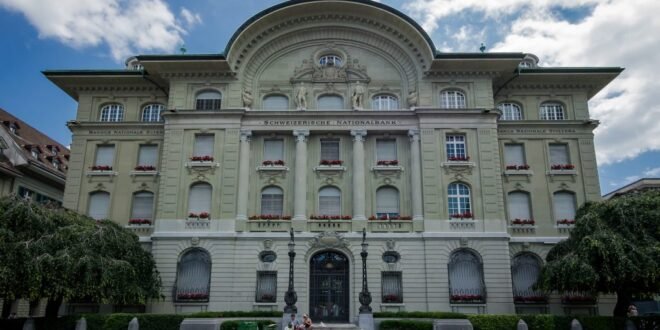
The Swiss National Bank is paying close attention to second-round inflation effects after Swiss price growth accelerated faster than expected, Vice Chairman Antoine Martin said in an interview published on Sunday, raising expectations that the central bank could lift interest rates at its December meeting.
“We are paying particular attention to possible second-round effects,” Martin told the Swiss newspaper Le Matin Dimanche, according to Reuters. Second-round effects occur when an initial rise in prices feeds through into wage demands and further price increases, turning a temporary shock into lasting inflation. “For December, everything will depend on our assessment at that time,” he added.
An Inflation Jump That Surprised the Bank
Swiss annual inflation accelerated to 1.5 per cent in October, up from 1 per cent in September and above what economists had forecast. The rate remains inside the SNB's definition of price stability — annual inflation of between 0 and 2 per cent — a range Swiss inflation has stayed within since the summer of 2023. But the speed of the increase has caught officials off guard: following the data, SNB Chairman Martin Schlegel said the surge in inflation had surprised the bank.
Martin noted that inflation had continued to rise since the central bank's last policy decision, both internationally and in Switzerland, and that the SNB was monitoring developments closely. The bank has held its policy rate at zero, supported by its own forecast that inflation will average just 0.7 per cent in 2026 — a projection the October figure now puts under pressure.
A December Hike Is Possible, Not Expected
The SNB conducts its monetary policy assessment once a quarter, in March, June, September and December, and each assessment ends with a rate decision and a new medium-term inflation forecast. Before Martin's comments, keeping rates at zero in December had looked like the default outcome. Economists surveyed recently still look for the first increase only in June 2027, with a second not until late 2028, according to BigGo Finance's summary of the outlook.
Martin also drew a distinction between Switzerland and other major currency areas, where inflation is running well above 2 per cent, partly fuelled by rising energy prices. He identified exchange-rate movements as the bank's main risk: the franc is a safe-haven currency that can strengthen quickly when markets turn nervous, tightening financial conditions and pushing down imported inflation.
Markets Stay Calm — For Now
Currency markets took Martin's remarks in their stride. The franc showed little reaction to the interview, with the dollar trading around 0.8405 francs in early Monday dealings, according to Mitrade's market report. That calm reflects the balance the SNB has to strike: talking tough on inflation risks attracting more safe-haven flows into the franc, while sounding too relaxed could let price expectations drift higher after October's surprise.
What officials will watch most closely now is whether the October jump shows up in wage settlements and new-year price setting — the classic channels through which a one-off increase turns into the second-round pattern Martin described.
Support for Tougher UBS Rules
In the same interview, Martin reiterated the SNB's support for a government proposal requiring UBS to fully capitalise its foreign subsidiaries. The measure forms part of Switzerland's overhaul of banking regulation following the 2023 collapse of Credit Suisse, which was taken over by UBS in an emergency rescue.
The next inflation readings, and the SNB's December assessment, will show whether October's jump was a one-off or the start of a more durable shift — and whether Switzerland's era of zero interest rates is about to end.
Also visit our other websites: GulfCareers — Jobs in Dubai, UAE & Gulf | IndeedOne — Jobs and Information