EuroDaily News and Guidance, Every Day
Related Articles



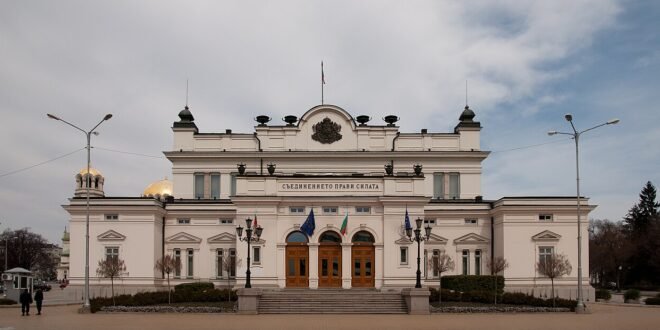
The Bulgaria single permit system is being overhauled after the National Assembly in Sofia adopted amendments to the Foreigners in the Republic of Bulgaria Act on 18 November 2026, setting a firm two-month deadline for decisions and giving foreign workers new protection if they lose their jobs.
What the Bulgaria Single Permit Changes Mean for Applicants
The centrepiece of the reform is speed. The procedure for a Single Residence and Work Permit — the document that lets a non-EU national live and work in Bulgaria through one application — must now be completed within two months. Where a case is factually and legally complex, the authorities may take 30 extra days, but no longer.
The amendments also spell out clearly who qualifies: an applicant who meets the conditions for access to the Bulgarian labour market and holds the relevant visa or residence permit. Applicants keep the right to withdraw an application while the procedure is running, a small but practical safeguard for people whose plans change mid-process.
Protection When a Job Falls Through
The second big change concerns job loss. Under the new rules, a period without work is not grounds to revoke a Bulgaria single permit, as long as the total unemployment stays within three months during the validity of the residence document. For workers who have held a single permit for more than two years, that protection doubles to six months — time to find a new employer without losing the right to stay.
Employers are pulled into the frame too. If a worker's access to the labour market is withdrawn through the fault of the employer, the employer owes the worker compensation. And an employer who provides accommodation to a seasonal worker must now sign a written contract setting out the rental terms, closing a loophole that has left some seasonal staff in informal housing arrangements.
Part of an EU-Wide Single Permit Reform
Bulgaria is not acting alone. The amendments align national law with Directive (EU) 2024/1233, the recast EU Single Permit Directive, which replaced the older 2011 directive and which member states had to transpose by 21 May 2026. The EU text caps decisions on a complete application at 90 days, with 30 extra days for complex cases, and guarantees single permit holders the right to remain while unemployed for at least three months, or six months after two years as a holder.
Sofia has chosen to go faster than the EU floor: its standard window of two months is a month shorter than the directive's maximum. The bill, brought by the Council of Ministers on 28 July 2026, was approved by a parliamentary committee on 12 November before passing its second and final reading six days later, according to the National Assembly's summary and reporting by the Bulgarian News Agency (BTA).
The recast directive behind the changes is designed to make legal migration simpler and safer across the bloc: one application, one permit, a decision within a fixed deadline, and stronger rights for the worker, including clearer routes to change employer. Bulgaria's law reads as an attempt to get ahead of EU scrutiny while its employers compete for scarce staff.
When the New Rules Take Effect
One step remains. The President still has to sign the act, and the text must be published in the State Gazette before the new rules take effect; they will apply from entry into force, not from the date of the vote.
For foreign workers weighing a move to Bulgaria — and for the employers competing to hire them — the message of the reform is clear: a decision within two months, protection through a spell of unemployment, and clearer rules on both sides. Watch for the State Gazette publication date, which will start the clock on the new Bulgaria single permit regime.
Also visit our other websites: GulfCareers — Jobs in Dubai, UAE & Gulf | IndeedOne — Jobs and Information