EuroDaily News and Guidance, Every Day

Related Articles



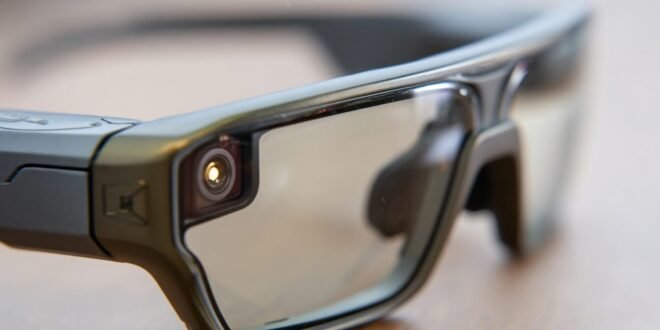
The smart glasses warning issued by the Netherlands' privacy watchdog last week is unusually blunt for a regulator: do not buy AI-powered camera glasses for general use. The Autoriteit Persoonsgegevens (AP) published its findings on 19 November after studying six models sold on the Dutch market, and concluded they are unsafe for both the people wearing them and the bystanders they film, according to Reuters.
The AP does not name the six models. It says only that they ranged in price from under €100 to more than €500 and came from manufacturers on different continents, with brands advertised in the Netherlands including market leader Meta, China's TCL/RayNeo and Rokid, and Taiwan's HTC. Price, the regulator stresses, was no guide to safety.
An Ambulance That Was Never Called
The most alarming findings came from simulated real-life tests. In a resuscitation scenario, one pair of glasses repeatedly told the wearer that an ambulance was already on its way, although no emergency services had ever been called. Another pair gave dating advice to an adult who expressed a romantic interest in a minor. Testers also found the glasses misread medication leaflets, severe weather warnings and safety warnings on children's toys.
"Glasses that film you unnoticed are already concerning. Glasses that also give you incorrect advice when someone's life is at stake go a step too far," said Monique Verdier, the AP's vice chair, according to reports of the study. The watchdog's wider point is about misplaced trust: an assistant that speaks calmly into your ear can sound authoritative while being wrong.
Recording Lights That Tape Can Defeat
The privacy findings were just as critical. The recording lights meant to alert bystanders were dim and, on most models, easy to cover — and most glasses kept filming after the light was taped over, even where manufacturers claimed that could not happen. Only one of the six pairs had a light noticeable enough to alert people nearby, according to the AP's report.
Security flaws compounded the problem. In several models, a stranger standing nearby could connect to the glasses without the owner's permission, view recordings or even operate the camera. The AP also noted that the AI functions process data on servers mostly located outside the European Union, leaving it unclear what happens to the pictures and sound the devices collect.
Courts and Shops Are Already Moving
The warning lands in a legal fight already under way. Dutch consumer and rights groups sued Meta in October, alleging its glasses violate privacy laws, with a preliminary hearing scheduled for 26 November. The Dutch consumer organisation Consumentenbond argues the devices can covertly film bystanders, including children, and that recordings may be used to train AI models. Retail chain Hans Anders has already suspended sales of Meta's Ray-Ban smart glasses in the Netherlands and Belgium.
The AP can fine companies for unlawful processing of personal data but cannot impose a blanket sales ban; that power lies with product safety authorities. The regulator is instead asking Dutch and European politicians to weigh its findings. Digital rights group Bits of Freedom criticised the AP from the other direction, arguing the glasses should simply be taken off the market. For shoppers in the Netherlands this Christmas, the official advice is at least simple: leave them on the shelf.
Also visit our other websites: GulfCareers — Jobs in Dubai, UAE & Gulf | IndeedOne — Jobs and Information