EuroDaily News and Guidance, Every Day
Related Articles


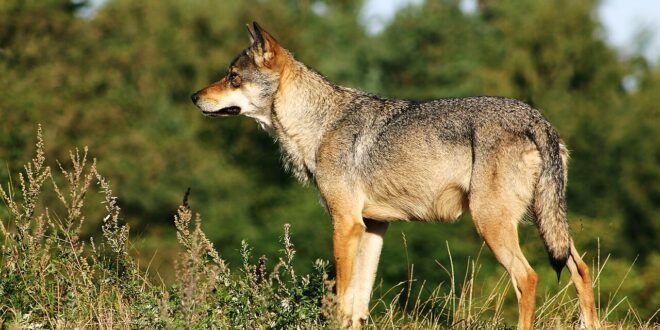
The Dutch wolf plan announced on Monday would allow provinces to shoot wolves to regulate their numbers and to designate wolf-free zones, in a major shift for one of Europe's most densely populated countries a decade after the predator returned.
What the Dutch Wolf Plan Proposes
State Secretary Silvio Erkens announced the plans on Monday 23 November, following new research suggesting that the wolf population has reached a favourable conservation status, RTL Nieuws reported. According to the government, provinces would be allowed to regulate wolf numbers and designate wolf-free zones in an effort to reduce incidents involving people and livestock.
The measures cannot be implemented immediately. Provinces must first develop management plans setting out where and under what conditions wolves can be culled, to ensure that the population remains healthy in the long term. Erkens hopes to have these arrangements finalised before summer 2027, and it remains unclear which areas of the Netherlands could become wolf-free zones.
The scale of the population is no longer in doubt. According to BIJ12, the organisation that monitors wolf activity for the provinces, 131 individual wolves were identified through DNA testing in 2025, with an estimated 14 packs living mainly in the Veluwe, Drenthe, the Gelderse Vallei and the Utrechtse Heuvelrug.
The Science Behind the Decision
The policy shift rests on research by Italian wolf expert Marco Apollonio, who concluded that wolves in the Netherlands are genetically healthy and meet the minimum criteria for a "favourable conservation status", meaning regulated population management could be possible. Crucially, Apollonio's research treats Dutch wolves as part of the wider Central European population rather than as an isolated national group.
That finding challenges earlier work by Wageningen University & Research, which concluded in September 2025 that the Netherlands should contribute between 23 and 56 wolf packs to European conservation efforts — far more than the roughly 14 packs now present. The disagreement between the two studies goes to the heart of the legal question, because the wolf's protected status under European rules depends on whether the population is judged at national or cross-border level.
Pressure From the Countryside
The announcement follows months of pressure from rural areas where wolves have settled. In Drenthe, ten of the province's twelve mayors recently sent an urgent letter to Erkens asking the government to seriously examine "active management" of the wolf. This year there have been 49 reports of wolf damage in Drenthe alone, of which 13 have been confirmed as actually caused by a wolf, with the rest still under investigation.
The mayors wrote of livestock losses among horses, cows and sheep, and of fear among residents afterwards. "Especially among parents and grandparents, the question is how safe it is when children play outside or bike to school alone in the dark," the ten mayors wrote in their letter, as quoted by NOS. Erkens, who travelled to Drenthe for a roundtable discussion, has said it is necessary to ensure that attacks on livestock and incidents involving people do not increase, and that he considers active management of the wolf necessary.
Critics Warn of a Backlash
Conservation groups reacted sharply to the announcement. Niko Koffeman of De Faunabescherming called the government's conclusions "wishful thinking", according to ANP, while Natuurmonumenten, the country's largest nature conservation organisation, has warned that culling could increase livestock attacks by breaking up packs and scattering younger, less experienced wolves across farmland.
The debate also has a European dimension, since the wolf's protection flows from EU nature law and any Dutch management regime will be watched in Brussels and by neighbouring Germany, where the same Central European population roams. For now, the Dutch wolf plan marks the moment the Netherlands moved from welcoming the wolf's return to planning how to live with — and limit — its success. The provinces' management plans, due before summer 2027, will decide what that means in practice.
Also visit our other websites: GulfCareers — Jobs in Dubai, UAE & Gulf | IndeedOne — Jobs and Information