 EuroDaily News and Guidance, Every Day

Related Articles


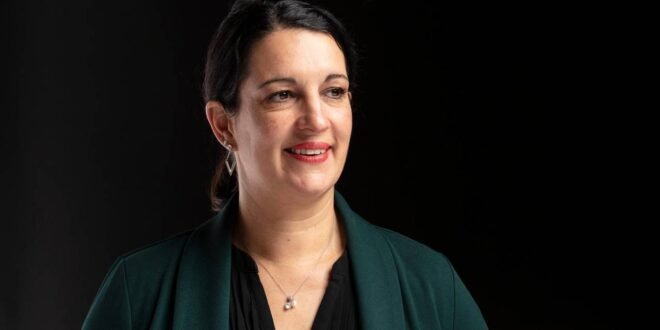
The Federal Council election to choose a successor to Economics Minister Guy Parmelin has gained an unexpected contender, after the Swiss Green Party announced on Monday that it will field Geneva parliamentarian Delphine Klopfenstein Broggini in the vote on 9 December. The Greens' move turns the Federal Council election into a genuine contest, challenging the ticket put forward by Parmelin's own Swiss People's Party (SVP) and reopening the argument about who deserves a seat in Switzerland's seven-member government.
A Green Challenger in the Federal Council Election
Klopfenstein Broggini, a 50-year-old National Councillor for Geneva and a sociologist by profession, was selected by the Green parliamentary group from a shortlist of three candidates, winning in the sixth round of a party vote held over the weekend. Her candidacy was announced in Bern on Monday afternoon, three days after the SVP parliamentary group chose its own two names.
Green parliamentary group leader Greta Gysin told the media that criticism of the SVP ticket had come from the left, from centre-right parties and even from within the People's Party itself. The Greens, she said, did not want to stand by and watch, but to take responsibility and offer parliament a genuine alternative with their own candidacy in the Federal Council election. The party is keen to give climate protection a stronger voice in government, and argues that with a vote share of around 10 percent it has an arithmetic claim to one of the seven seats. It is equally keen to elect a third woman to the Federal Council.
The SVP Ticket She Must Beat
Parmelin, who is retiring at the end of the year, holds one of the two government seats belonging to the right-wing SVP. On Friday, the party's parliamentary group nominated Thomas Aeschi, its group leader from Zug, and Michael Graber, a National Councillor from Valais. Both men come from the party's hard-line wing, and their selection is precisely what provoked the Greens into entering the Federal Council election rather than leaving the seat to an internal SVP choice.
Under Switzerland's informal "magic formula" for sharing power, the largest parties divide the seven Federal Council seats between them, and a retiring councillor's seat normally passes to a successor from the same party. A Green victory in the Federal Council election would break that convention. It would also end a long wait for Geneva: the canton has had no federal councillor since Socialist Micheline Calmy-Rey left office in 2011, and its hopes took another knock on Friday when Geneva's own SVP contender, Céline Amaudruz, was eliminated from her party's ticket.
What Happens on 9 December
The Federal Council election is decided by the United Federal Assembly — both chambers of parliament voting together — and outsiders have won before when the official ticket displeases enough parliamentarians. That is the opening the Greens are counting on: Aeschi and Graber must convince members well beyond the SVP, and every vote that drifts to Klopfenstein Broggini in the early rounds will test the ticket's authority.
Whatever the result, the Federal Council election has already achieved one of the Greens' aims: it has forced a public debate about the composition of the government before a single ballot is cast. On 9 December, parliament will decide whether Switzerland's executive keeps its familiar balance — or whether the Federal Council election of 2026 becomes the year the Greens finally broke into the room.
Also visit our other websites: GulfCareers — Jobs in Dubai, UAE & Gulf | IndeedOne — Jobs and Information
