EuroDaily News and Guidance, Every Day
Related Articles



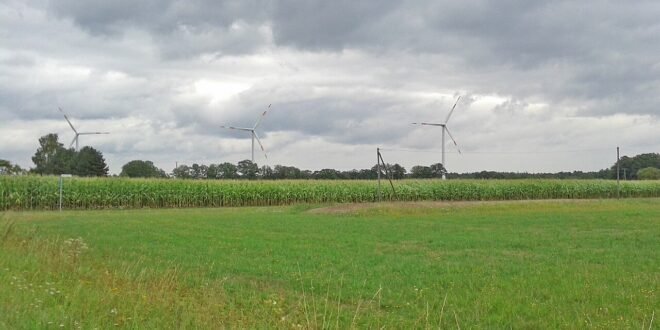
The Germany wind power surge has transformed the country's electricity system in a matter of days, with wind generation climbing from less than 100 gigawatt hours to more than 1,100 gigawatt hours over the first three weeks of November and fossil fuels surrendering market share at remarkable speed.
From Wind Drought to Germany Wind Power Surge
Germany's power market spent much of the autumn waiting for the wind to return. During the calm spell between 8 and 10 November, wind generation averaged under 92 gigawatt hours and supplied less than 10 per cent of total power output. Fossil fuel generation climbed above 800 gigawatt hours a day in that period and peaked at more than 910 gigawatt hours on 10 November, as coal and gas plants filled the gap left by still air.
The picture changed dramatically only a few days later. By 13 November, total wind output had climbed above 790 gigawatt hours. Two days later it reached nearly 736 gigawatt hours and supplied 56 per cent of all electricity generation. On 18 November, wind production exceeded 1,100 gigawatt hours and accounted for almost two-thirds of total generation, according to data from Germany's federal network agency. Clean electricity output climbed in lockstep, reaching more than 1.3 terawatt hours on 18 November, the highest level in the period. Across the first three weeks of the month, wind's share of total electricity production rose from just 6 per cent to 65 per cent.
Coal Takes the Biggest Hit
The largest casualty of the wind rebound was coal generation. Hard coal output fell from more than 136 gigawatt hours on 11 November to just 43 gigawatt hours by 15 November. Lignite generation dropped from over 316 gigawatt hours on 10 November to below 149 gigawatt hours by 18 November, as brown-coal plants were pushed down the running order.
Natural gas generation also retreated sharply as wind output climbed. Gas-fired production fell from more than 417 gigawatt hours on 10 November to just 106 gigawatt hours on 15 November — a decline of roughly three quarters in just five days. Within little more than a week, Germany moved from a system where fossil fuels supplied nearly three quarters of electricity generation to one where clean power dominated the mix and wind alone provided most of the country's electricity.
What the Swings Say About the Energy Transition
The swing underscores a central reality of Europe's energy transition: when renewable output arrives at scale, fossil fuel demand can retreat with remarkable speed. The latest data also demonstrate that flexibility has become one of the most valuable attributes in Europe's power market — the ability of the system to ramp fossil plants down when the wind blows, and back up again when it drops.
That volatility cuts both ways. The first half of November highlighted Germany's dependence on weather conditions, when the wind drought — the so-called Dunkelflaute — pushed prices sharply higher and forced the grid to lean on coal and gas. The same system that produced record clean output on 18 November had, eight days earlier, been running flat out on fossil fuels.
More Wind in the Forecast
There may be more of the same ahead. Power forecasters at LSEG are currently calling for German wind power generation to remain close to or above the long-term average for the next several weeks, which would keep pressure on coal and gas burn into December.
The most important lesson from Germany's latest power data, analysts say, is not that wind generation has reached exceptional levels. It is that fossil fuel demand has become increasingly dependent on weather conditions as renewable capacity expands. The Germany wind power surge of November 2026 is a preview of a grid in which the weather, more than any power station, decides how the country is lit and heated from one week to the next.
Also visit our other websites: GulfCareers — Jobs in Dubai, UAE & Gulf | IndeedOne — Jobs and Information