EuroDaily News and Guidance, Every Day
Related Articles



This Spain election voting guide sets out what voters need to know before polling day on Sunday 29 November 2026, when Spain chooses a new Congress of Deputies and Senate in a general election that polls suggest could reshape the country's government.
A total of 38,728,356 people are eligible to vote, according to the national statistics institute INE: 35,958,711 living in Spain and 2,769,645 living abroad and registered on the CERA roll of residents overseas. Turnout is expected to be decisive. Prime Minister Pedro Sánchez has publicly set a target of 75% turnout, arguing that a high participation rate is what his progressive bloc needs to reach the 176 seats required for a majority in the 350-seat Congress. At the last general election, in July 2023, turnout was 66.59%.
Spain Election Voting Guide: Polling Day Essentials
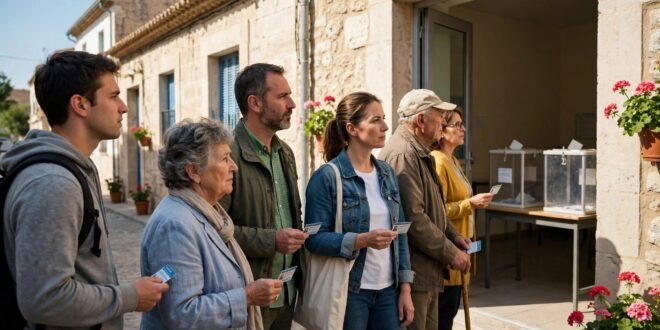
Polling stations open at 9am and close at 8pm on Sunday. Voters must attend the polling station assigned to their registered address — the location is printed on the census card sent to homes and can also be checked online through the INE and local councils. Anyone still in the queue at 8pm is entitled to vote.
At the desk, voters identify themselves with official photo identification. The documents accepted are a Spanish national identity card (DNI), a passport, or a driving licence bearing a photograph; expired documents are generally accepted provided the voter can be identified. Members of the polling station board check the name against the electoral roll, hand over the ballots and envelopes, and mark the voter as having voted.
Voters choose one ballot paper for the Congress of Deputies for their province and one for the Senate. Congress ballots are closed party lists: voters simply place the chosen list in its envelope. Senate voting is different — voters mark individual candidates by name, up to the number of seats their province elects. Ballot papers and envelopes are available in the booths, and voters may also bring the sets delivered to their homes by post.
Postal and Overseas Votes
Postal voting has been a major feature of this election. For voters resident in Spain, the deadline to request a postal vote has passed and completed ballots must reach their polling station by election day. For the 2.77 million Spaniards registered abroad, postal voting closed on 24 November, and votes delivered to consulates count if received by 27 November — which is why the very first results published on election night never include the overseas vote, and the final official turnout figure only emerges days later at the provincial counts.
What Happens After the Polls Close
Counting begins at each polling station as soon as voting ends, and the Interior Ministry publishes advancing results through the evening. Exit polls are released at 8pm. Because Congress seats are allocated province by province under the D'Hondt system, national vote shares do not translate directly into seats, and small shifts in turnout in mid-sized provinces can decide which bloc is able to form a government.
The stakes explain the turnout battle. Campaigning officially opened on Friday 13 November, and the right-of-centre opposition has sought to consolidate a "useful vote" behind the People's Party rather than splitting support with Vox, while the governing Socialists have centred their strategy on mobilisation events designed to energise their base. With final polls published before the legal blackout pointing to a close race, both camps agree on one thing: who turns out on Sunday matters as much as who they vote for.
Practical advice for Sunday is simple. Check your polling station before leaving home, bring valid photo ID, avoid the busiest hours around midday if you can, and remember that employers must allow workers scheduled on election day time off to vote. This Spain election voting guide will be followed by full results coverage once the count is complete on Sunday night.
Also visit our other websites: GulfCareers — Jobs in Dubai, UAE & Gulf | IndeedOne — Jobs and Information