EuroDaily News and Guidance, Every Day

Related Articles

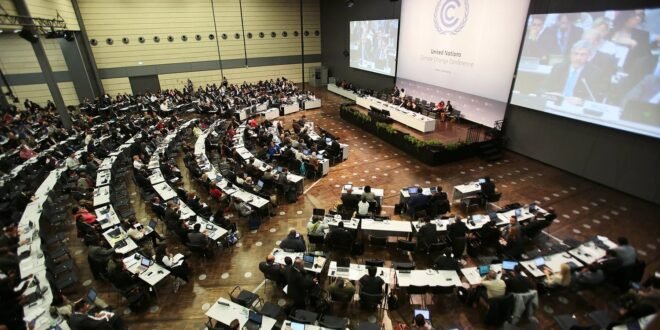
The COP31 climate summit in Antalya ended on Sunday without adopting the overarching deal it was convened to produce, after negotiations stretched deep into overtime and became the longest COP on record. At the final meeting meant to approve the so-called Antalya Pact, it became clear there was no consensus among the more than 190 countries present, according to CNN. COP31 President Murat Kurum acknowledged that support was not there to gavel the pact through: "It is clear that there are parties in this hall who oppose this text. We recognize that there is no consensus on this document."
It was the first major breakdown of the UN climate process since COP15 in Copenhagen in 2009, according to CNN — and it turned on two words.
How "Fossil Fuels" Vanished From the Text
The fossil fuel language did not lose a vote; it was edited out between drafts. The presidency's first draft of the cover decision, published on Monday, called for "the immediate transition away from fossil fuels in energy systems" and reaffirmed the commitment made at COP28 in Dubai in 2023, when countries agreed for the first time to transition away from fossil fuels. The word "fossil" appeared six times in that draft.
In the following drafts, it appeared nowhere. The final text only "recalled" the Dubai outcome, and proposed instead to speed up electric cars and heat pumps, with a goal of electricity providing 35 per cent of global energy use by 2035, up from 22 per cent today, according to The Times. For the first time, the draft also formally acknowledged that warming will exceed 1.5°C above pre-industrial levels. Petrostates including Saudi Arabia have long opposed any reference to fossil fuels, and defended carbon capture technology instead.
The Rejection
The European Union, the United Kingdom, Norway, Panama, Belize, the Marshall Islands and Vanuatu refused to endorse the final text, according to the Associated Press. Darragh O'Brien, Ireland's climate minister, who helped lead negotiations for the EU, said the bloc would not endorse a deal "that does not even mention fossil fuels," and claimed the draft had been "hijacked" by oil states. Britain's lead climate negotiator Kate Hughes said the proposed agreement "moves us backwards," while Energy Secretary Miatta Fahnbulleh called the failure to reach agreement "immensely disappointing," according to The Times.
The United States was not among the negotiators: under President Donald Trump, it has pulled out of international climate action, according to CNN. UN Secretary-General António Guterres summed up the mood: "There may be no consensus in the negotiating room. There is no ambiguity in the science."
What Survives the Wreckage
Not everything in Antalya failed. Delegates progressed some 60 technical mandates, according to Renew Economy, and the Dubai commitment to transition away from fossil fuels still stands — Antalya added nothing to deliver it, but did not formally erase it either. Australia's climate minister Chris Bowen, who helped steward the negotiations, said his country had "left nothing on the field."
The next attempt will be COP32 in Addis Ababa, Ethiopia, from 8 to 19 November 2027, according to the Associated Press. Between now and then, the gap Antalya exposed — between countries demanding that the cause of the crisis be named, and producers determined that it not be — will have to be bridged by diplomacy rather than by another two weeks of overtime. The lesson of the longest COP in history is that time was never the missing ingredient. Agreement was.
Also visit our other websites: GulfCareers — Jobs in Dubai, UAE & Gulf | IndeedOne — Jobs and Information