EuroDaily News and Guidance, Every Day

Related Articles

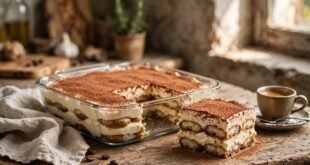

Every Polish family has its own version, but pierogi ruskie — filled with potato, curd cheese and onion — are the dumplings most people picture first. This Polish pierogi recipe follows the traditional method: a soft, pliable dough rolled thin, a well-seasoned filling, and a finish of butter and sweet fried onions. Despite the name, pierogi ruskie are not Russian; "ruskie" refers to Red Ruthenia, a historic region in what is now south-eastern Poland and western Ukraine. The recipe makes about 40 dumplings, enough for four generous servings, and they freeze beautifully.
Ingredients for This Polish Pierogi Recipe
For the dough:
- 500g plain flour, plus extra for dusting
- 1 egg
- 200ml warm water
- 2 tablespoons sour cream
- 1 tablespoon melted butter or neutral oil
- 1 teaspoon fine salt
For the filling:
- 600g floury potatoes, peeled
- 300g twaróg or well-drained farmer's cheese (dry curd cottage cheese works)
- 2 medium onions, finely diced
- 2 tablespoons butter
- Salt and plenty of freshly ground black pepper
To serve: 2 more onions sliced and fried slowly in butter until golden, sour cream, and optional skwarki (crispy pork fat bits) or chopped chives.
Making the Filling and Dough
Boil the potatoes in well-salted water until completely tender, then drain and leave them to steam dry for a few minutes — excess moisture is the enemy of a good filling. Mash them thoroughly while still warm. Fry the diced onions in butter over a low heat for 10 to 15 minutes until soft and golden. Crumble the cheese into the potatoes, add the onions with their butter, and season assertively with salt and black pepper; the filling should taste slightly over-seasoned on its own, because the dough will mute it. Set aside to cool completely.
For the dough, mix the flour and salt in a large bowl. Add the egg, sour cream, melted butter and most of the warm water, and bring everything together, adding the last of the water only if needed. Knead for 8 to 10 minutes until smooth and elastic, then cover and rest for at least 30 minutes. A rested dough rolls out thin without springing back, which is the secret of a delicate Polish pierogi recipe rather than a chewy one.
Shaping, Boiling and Serving Your Pierogi
Roll the dough out on a floured surface to about 2mm thick. Cut out circles of roughly 8cm with a glass or cutter. Place a heaped teaspoon of filling in the centre of each circle, fold the dough over into a half-moon, and pinch the edges firmly together, working out any air pockets. A trapped pocket of air is what bursts pierogi in the pot, so take your time. Lay the finished dumplings on a floured tray and cover with a cloth so they do not dry out.
Bring a large pot of salted water to a rolling boil. Cook the pierogi in batches: drop them in, stir gently once, and when they float to the surface give them one to two minutes more, then lift them out with a slotted spoon. Serve immediately, spooned over with the fried onions and their butter, with sour cream on the side. For the classic second act, fry boiled pierogi in butter the next day until crisp and golden on both sides.
Raw pierogi freeze well: freeze them in a single layer on a tray, then bag them and cook from frozen, adding a minute to the boiling time. Once you have mastered this Polish pierogi recipe, the same dough welcomes other traditional fillings — sauerkraut and mushroom for Christmas Eve, minced meat, or sweet blueberries in summer.