EuroDaily News and Guidance, Every Day

Related Articles


Britain's Labour government will set out its case on Monday for bringing energy and water utilities under greater public control, in a speech that puts ministers on a collision course with some of the country's biggest companies — at the annual conference of the business lobby that represents many of them.
According to Reuters, senior minister Louise Haigh will address the Confederation of British Industry (CBI) conference on Monday, November 23, where the government will lay out in detail why it wants more public control of the utilities that supply households with power and water.
Thames Water at the centre of the argument
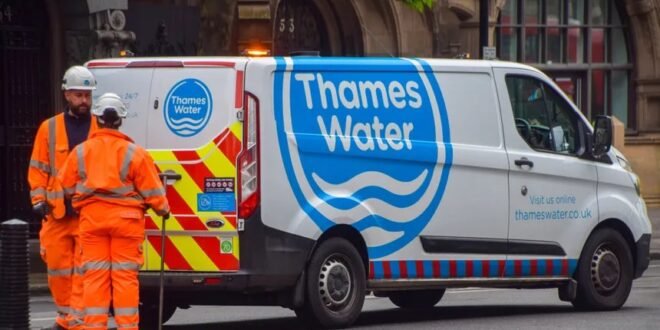
No company symbolises the debate more than Thames Water. The supplier, which serves 16 million customers in and around London, has long been regarded as at risk of a costly renationalisation, according to Reuters. It is restructuring £20 billion (about $26 billion) of debt after mounting fines for pollution failures.
For ministers, Thames Water is the clearest example of a privatised utility that, in their argument, loaded itself with debt, paid out to investors and under-invested in its network. For the industry, the fear is that talk of public control will frighten off the private investment the sector needs to fix leaking pipes, build reservoirs and upgrade the power grid.
Monday's speech is therefore a careful balancing act: the government wants to show voters it is serious about taking on the utilities, while not spooking the investors whose money still funds most infrastructure projects.
Farage takes the opposite message to the same stage
The CBI conference will hear a sharply different pitch from Reform UK leader Nigel Farage. According to Reuters, Farage plans to criticise big businesses for backing closer ties with the European Union, arguing that alignment with Brussels would raise regulatory costs for their smaller competitors and allow them to hire cheaper EU workers instead of Britons.
The contrast underlines how contested the government's economic agenda has become. Only days after Prime Minister Andy Burnham announced a new package with the EU that he said could add up to £17 billion a year to the British economy, the Conservatives have said they would scrap the deal, and former prime minister Theresa May has said she is "aghast" at suggestions Britain could consider rejoining the bloc, insisting that "Brexit is done".
Households feel the squeeze from the other side
While politicians argue over ownership, households are bracing for higher bills. Charities have warned that a planned government payment of £100 will do little to ease an expected rise in energy bills, with the energy price cap predicted to increase by 26% from January, according to NOOW Media's coverage of the warnings. The boss of Centrica, the owner of British Gas, has also said he is "hugely concerned" about the impact of soaring energy bills.
There is some relief on pay: Britain's National Living Wage is expected to rise by 3.9%, from £12.71 to about £13.20 an hour, according to British media reports cited by Times Now. But for many families, a higher minimum wage will be absorbed quickly if energy costs jump by anything close to the forecast amount in the new year.
Why this speech matters
The utilities question is one of the defining economic arguments of this parliament. Water companies are under public pressure over sewage spills and bills, energy suppliers are under pressure over prices, and the government has signalled repeatedly that the current model has failed.
What Haigh announces on Monday will be watched for specifics: whether "greater public control" means tougher regulation, public stakes in suppliers, a special administration regime for failing water firms, or a path towards outright public ownership. Business leaders at the CBI, hearing Farage's rival message the same day, will be weighing which vision is more likely to shape the rules they operate under — and what it means for the billions they are being asked to invest in Britain's ageing networks.
Also visit our other websites: GulfCareers — Jobs in Dubai, UAE & Gulf | IndeedOne — Jobs and Information