 EuroDaily News and Guidance, Every Day

Related Articles



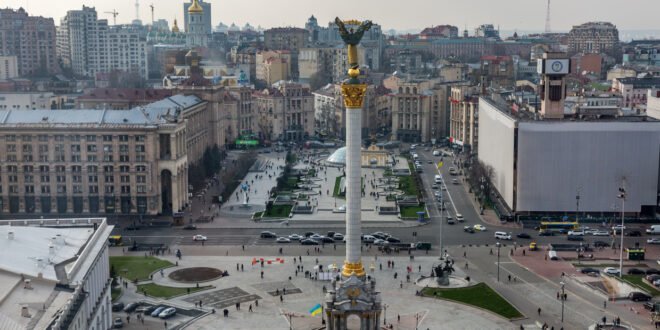
Defence Secretary Wes Streeting in Kyiv used some of the strongest language yet heard from a British minister about Vladimir Putin, calling the Russian president a "cold-blooded killer" during a visit intended to underline Britain's support for Ukraine. Streeting also compared President Volodymyr Zelensky to Winston Churchill, casting Ukraine's wartime leader in the role of a figure who rallied his country under bombardment.
The remarks came as Prime Minister Andy Burnham held his own Ukraine-focused meeting on Saturday, sitting down with Dutch Prime Minister Rob Jetten. Both leaders committed to keep supporting Ukraine, adding a second, diplomatic track to a weekend in which London and its allies sought to present a united front.
Streeting in Kyiv: Language Meant to Be Heard in Moscow
Ministers choose their words carefully on visits like this, and "cold-blooded killer" was not an accidental phrase. It echoes the hardening tone in Western capitals as the war grinds on and as Russian strikes continue to spill beyond Ukraine's borders. By delivering the line in Kyiv itself, Streeting ensured it would be heard as a message of solidarity by Ukrainians and as a warning by the Kremlin.
The Churchill comparison carries its own weight. British politicians reach for Churchill when they want to frame a conflict as a test of national endurance rather than a dispute to be managed. Applying it to Zelensky — a foreign leader — signals that London sees Ukraine's resistance as part of a shared European story, not somebody else's war.
Burnham and Jetten Commit to Continued Support
While Streeting was in Kyiv, Burnham's meeting with Jetten kept the focus on what European governments do next. The two prime ministers committed to keep supporting Ukraine, a pledge that matters because continued military and financial backing depends on exactly this kind of alignment between European capitals.
Britain and the Netherlands have often moved together on Ukraine policy, and a public commitment from both leaders at the same time as a cabinet minister is standing in Kyiv is designed to show coordination rather than coincidence.
Why the Weekend's Messaging Matters
Taken together, the two tracks — a defence secretary using uncompromising language on the ground in Kyiv and a prime minister locking in support with a European partner — amount to a deliberate display of unity. Such displays are aimed at three audiences at once: Kyiv, which needs reassurance that backing will not fade; Moscow, which watches constantly for cracks in Western resolve; and domestic voters, who are being asked to sustain support for a long and costly war.
Whether the words are matched by further concrete commitments is the question that will follow both men into the coming week. For now, the message from London is unambiguous: Britain's support for Ukraine is not softening, and its description of the man who launched the invasion is getting blunter.
Also visit our other websites: GulfCareers — Jobs in Dubai, UAE & Gulf | IndeedOne — Jobs and Information
