 EuroDaily News and Guidance, Every Day

Related Articles


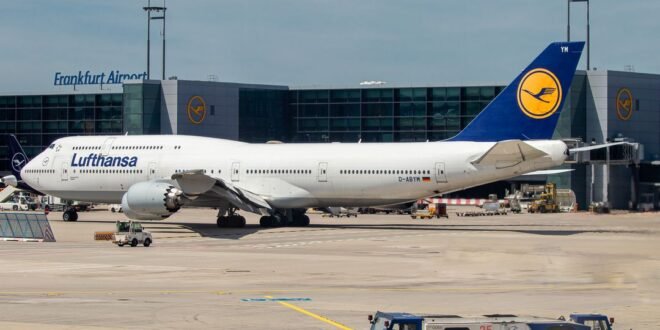
The Lufthansa Schaeffler job cuts gave Germany's cost-of-living protests a fresh focus this weekend, as the country's flagship airline and one of its best-known industrial suppliers both announced thousands of redundancies. The protests continued through the weekend in Berlin and across Europe, part of a wave of demonstrations now running in around 25 countries.
Tens of thousands marched in Switzerland and thousands took to the streets in Berlin, while Italy held a general strike. In Germany, the anger over prices and job security found two new symbols within days of each other.
Lufthansa Schaeffler Job Cuts in Detail
Lufthansa is to cut 1,000 jobs at its Frankfurt and Munich hubs, the two airports at the centre of its operations. The airline is losing around €20 million a month and recorded an operating loss of about €180 million in the first nine months of 2026. The timing of the redundancies remains unclear.
Schaeffler, the automotive and industrial supplier, is cutting 3,460 jobs and closing five plants across Europe — a larger programme that reaches well beyond Germany's borders and deep into the continent's manufacturing supply chains.
Two Very Different Companies, One Story
An airline and a components maker have little in common operationally, but their announcements tell the same story about the pressure on European industry. High costs, weak demand and intense competition are squeezing employers that once seemed untouchable, and the squeeze is now reaching workforces at scale.
For employees at Frankfurt and Munich, the Lufthansa news lands on top of months of uncertainty about the airline's finances. A carrier losing €20 million a month cannot postpone difficult decisions indefinitely, and unions and staff will now press for clarity on who is affected and when — the two questions the announcement left open.
Uncertainty for Workers
For Schaeffler's workforce, the scale of the programme — 3,460 jobs and five plant closures spread across Europe — means many communities will spend the coming weeks waiting to learn whether their site is among those shutting. That kind of uncertainty, repeated at employer after employer, is precisely the mood the protest movement has been feeding on.
Protests Show No Sign of Fading
The weekend's demonstrations suggest the job cuts will be read politically, not just commercially. The protest movement that began over the cost of living has steadily widened its targets, and large redundancy programmes at household-name employers give it concrete, local grievances to organise around.
With marches continuing across the continent and a general strike already seen in Italy, Germany's government faces a difficult combination: an industrial sector shedding jobs at the same time as the streets fill with people protesting the cost of everyday life. How Berlin responds to the Lufthansa and Schaeffler announcements — and whether more big employers follow them — will shape the next phase of the protests.
Also visit our other websites: GulfCareers — Jobs in Dubai, UAE & Gulf | IndeedOne — Jobs and Information
